
Starport Space is building interoperability for space cargo: a payload acceptance and integration support service and standardized containers to decrease the friction cargo faces when entering new space destinations.
Our payload acceptance and integration support service relies on our multi-station acceptance data package (ADP) and reusable operations playbook.
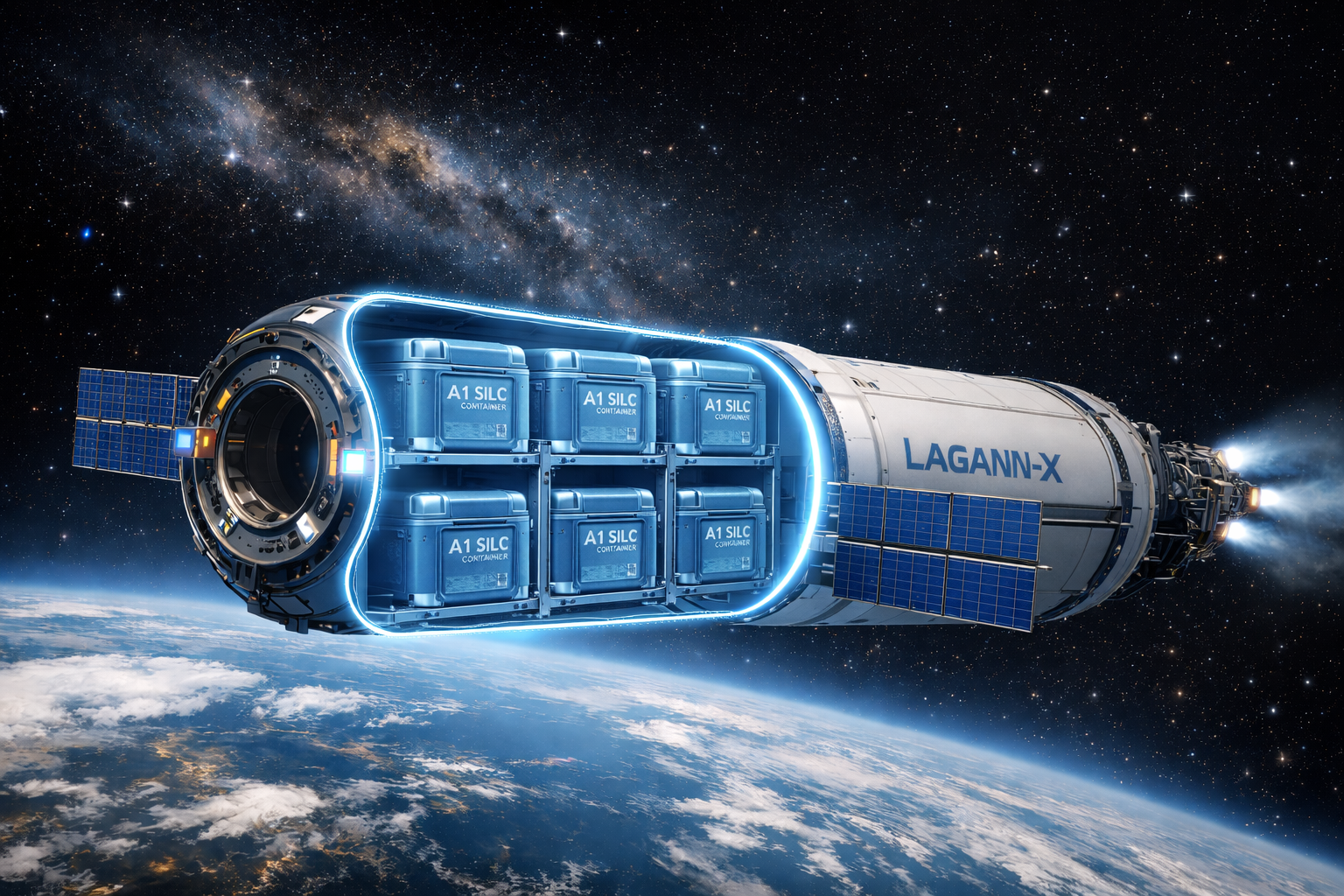
CONCEPT: LAGANN-X TRANSPORTER
Without interoperable interfaces and containers, every transfer of cargo remains a one-off project rather than a scalable logistics system in an era where space logistics supply needs to meet rapidly growing space industry demand. This lack of interoperability drives cost, schedule risk, and engineering overhead for every mission:
Starport Space is developing a staged path to making space logistics interoperable.
In the near term, we focus on the cargo unit and acceptance process: a payload acceptance and integration support service and standardized containers.
As multiple destinations come online in the long-term, we intend to scale into space cargo transporters— remaining tug‑agnostic and station‑agnostic to avoid vendor lock‑in.
Near-term deliverables:
• Acceptance Data Package (ICD, hazard closures, verification evidence) to expedite stations accepting your payload
• Operations Playbook (planning, partner coordination, ground procedures, anomaly playbooks) to give guidelines for sending cargo to multiple stations
• A SILC container family (versioned spec, handling, labeling, restraint logic) for a standardized format of sending and handling space cargo
Later: Transporter architecture (tug-agnostic) and Multi-station logistics network
Standardized Inter-Station Logistics Containers (SILC) are a family of standardized space-to-space cargo containers designed to safely transport bulk cargo in LEO and beyond.
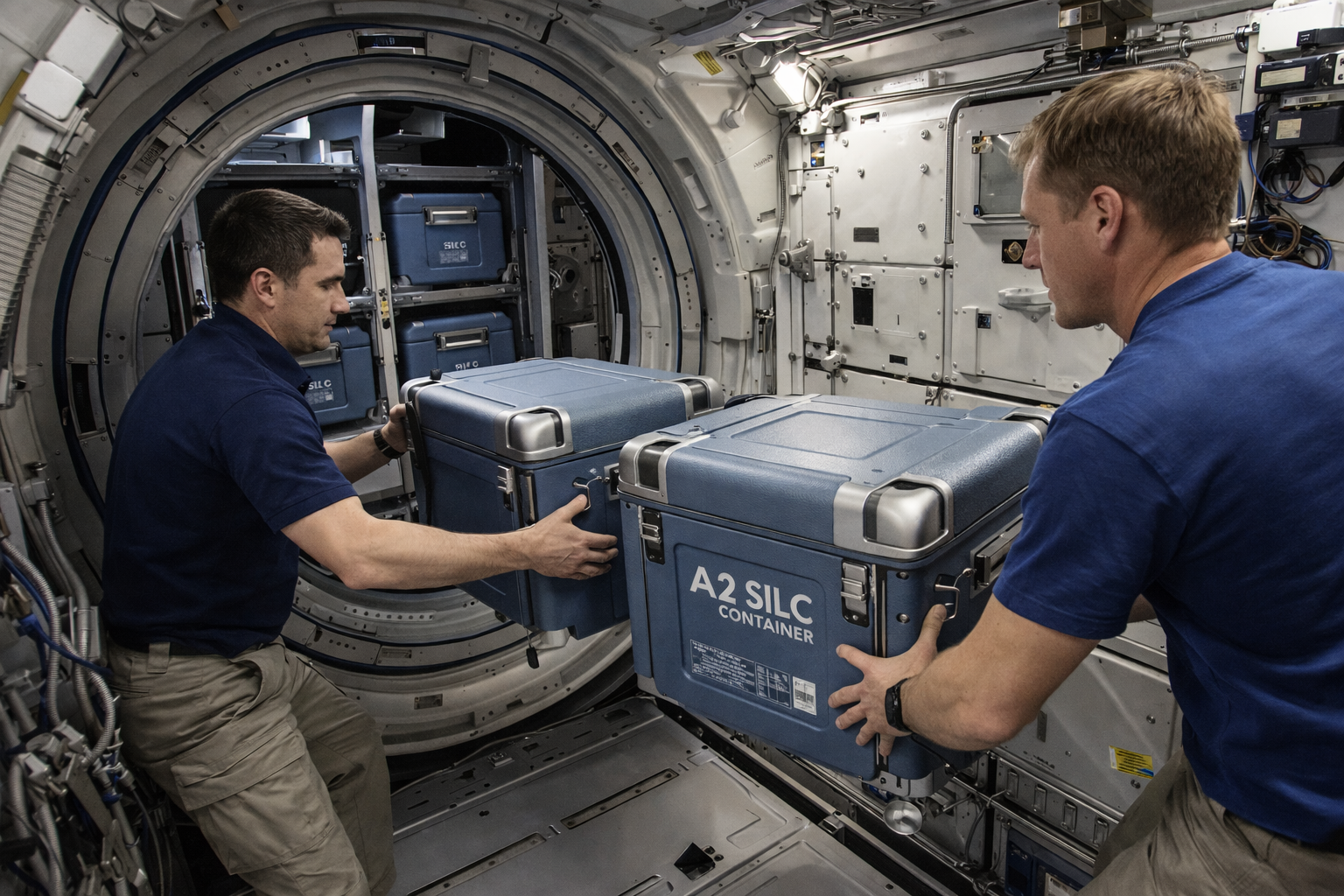
CONCEPT ART : SILC CONTAINER A2
A transporter architecture (Lagann-X) to move cargo between stations and other space destinations using existing and emerging space tugs.
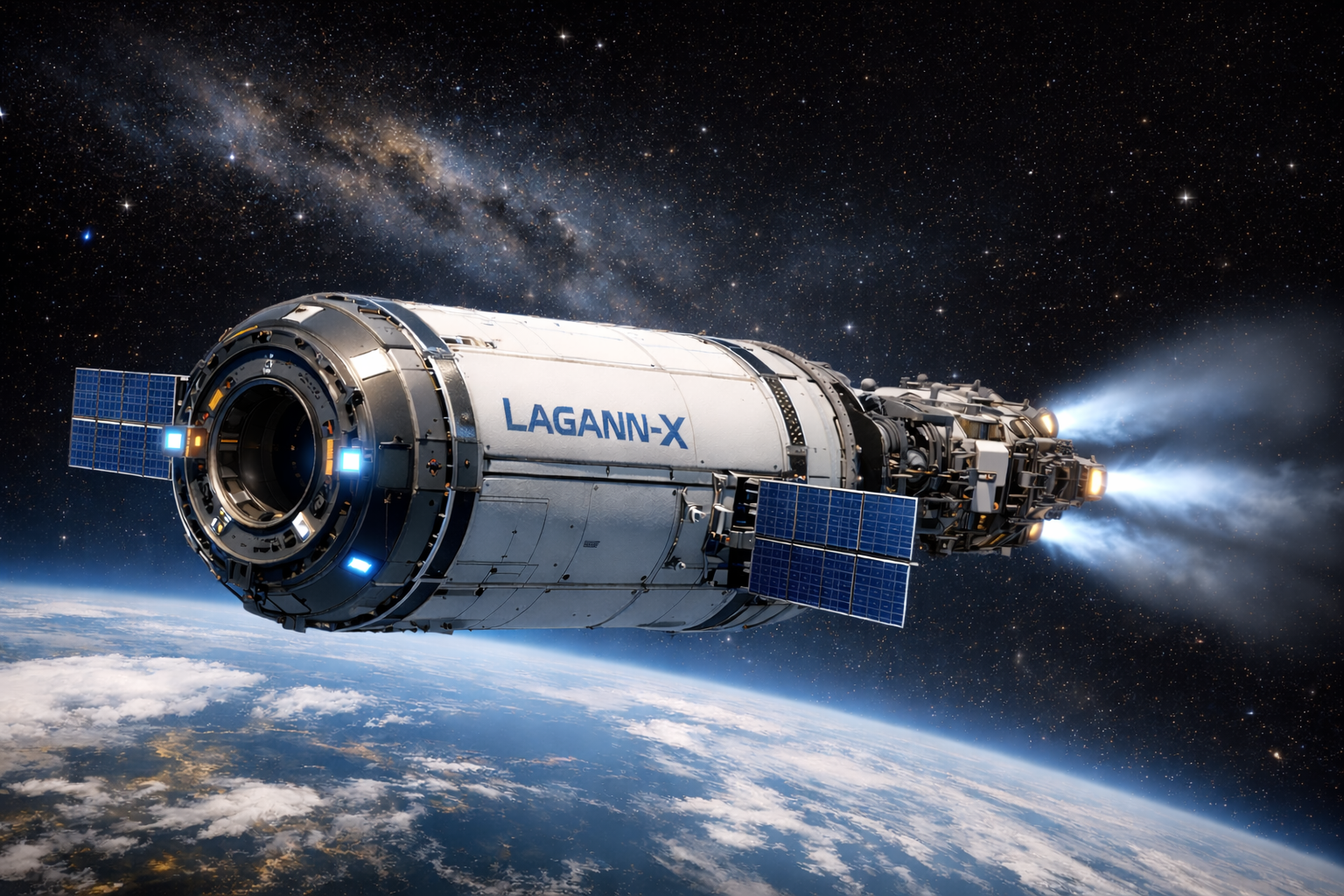
CONCEPT ART : LAGANN-X TRANSPORTER
Who is this For:
• Station operators: we would like to discuss how to partner to help payload providers meet acceptance requirements and reduce integration burd
• Payload/logistics providers: we would like to discuss how we can expedite your process of sending cargo to space
If you operate or plan to operate a space station, tug, or in-space cargo service and are interested in interoperability and standards; or if you are a spacecraft systems, verification and validation, or mission management leader interested in co-founding or advising, we would welcome a conversation.